Living Lab TVC22
Community innovation at the heart of Eastern Ontario
Your innovation space open to everyone
The TVC22 Living Lab is an open ecosystem, physical and/or virtual, where the community works together to test and refine new ideas in real-world contexts. Our goal is to co-create innovative, culturally grounded solutions to community challenges, guiding the transition to a sustainable, regenerative future.
Our pillars of innovation

Information
We guarantee equitable access to bilingual information and support local civic journalism to protect our diverse cultures. Our goal is to sustainably safeguard the right to information, facilitate research, and support the development of our region.

Communications
We are building an interactive media network run by and for our community. By encouraging direct conversations between the public and leaders, we facilitate the sharing of knowledge.

Education
We focus on place-based education to increase access to lifelong learning and development tools for everyone. Acting as a true talent incubator, we democratize digital inclusion and literacy while proactively fostering leadership development among youth.
Key objectives and pillars of innovation

Develop an inclusive, transparent multimedia infrastructure that is self-managed by community members

Address knowledge gaps by fostering dialogue between citizens and decision-makers, while increasing access to development and learning tools for everyone

Make bilingual information accessible to everyone, foster a truly participatory approach to communication, and ground education in our local reality
Want to bring your project to life?
The Partnership Model (4P)
To accomplish its mission and break down siloed ways of working, the Lab Vivant adopts an innovative collaborative approach called the “Quadruple Helix” or Public-Private-People Partnership (4P)

Governments, municipalities and public institutions provide a long-term vision and are responsible for supporting, guiding and regulating the process to create an environment conducive to innovation.
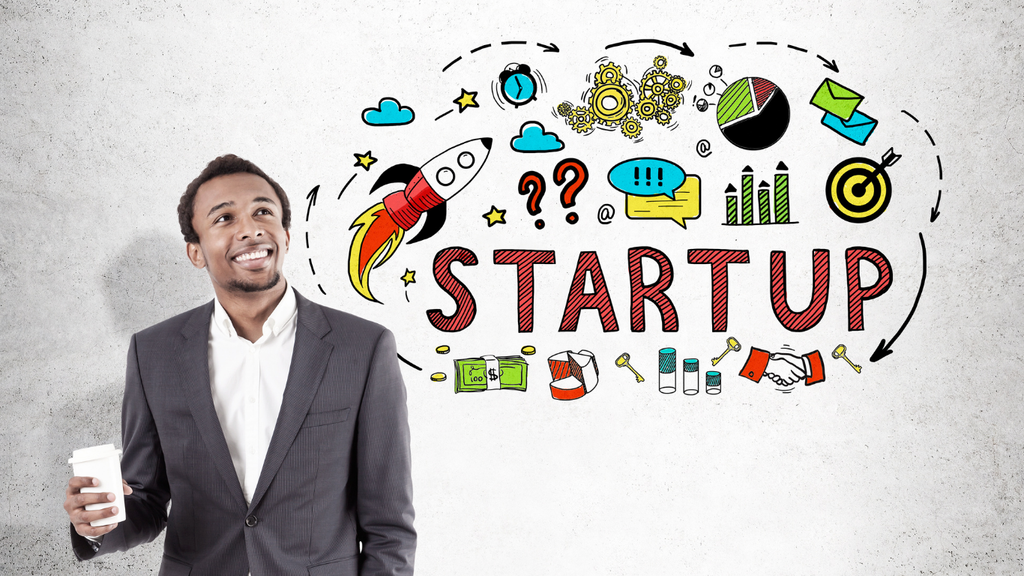
Businesses, startups and entrepreneurs bring their hands-on expertise and resources to develop and bring to market, with agility, solutions that are both innovative and sustainable.
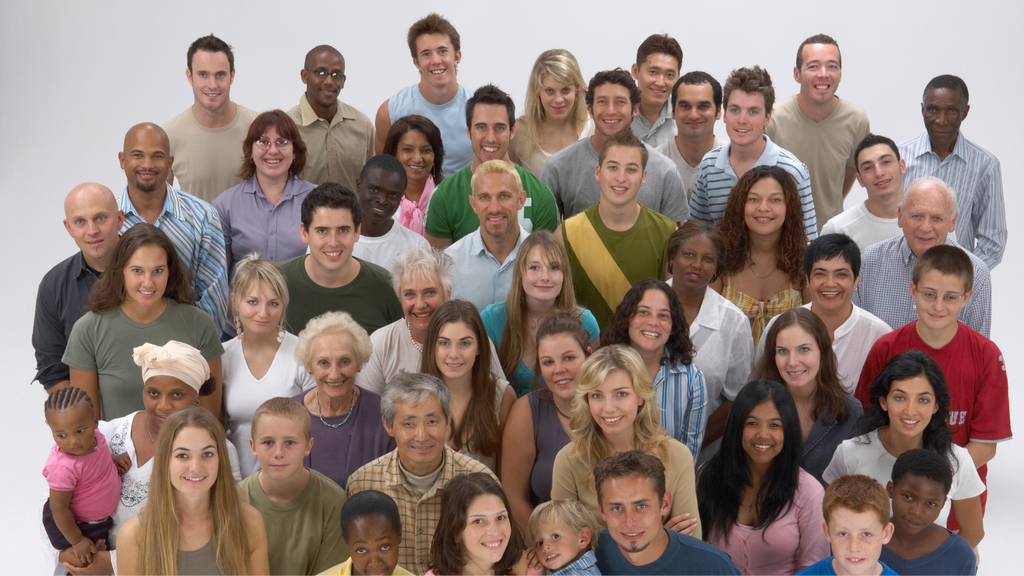
Citizens are the beating heart of the process. This diverse community, shaped by innovation, is no longer just a consumer — its members have become genuine co-creators, providing ongoing feedback grounded in their real lives.
Educational institutions, researchers, and students. They contribute to the project by providing knowledge, analyses, assessments and a rigorous scientific rationale.

Do you see yourself in one of these four groups?
Take part in regional innovation and join our ecosystem
Our projects
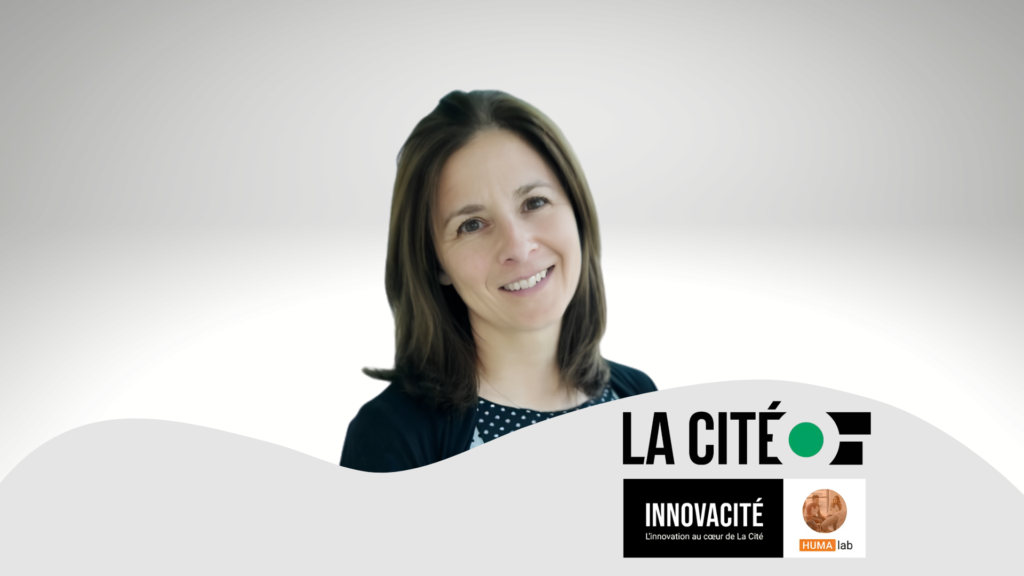
Inclusion Awareness with INNOVACITÉ’s Humalab
As part of our research projects at the HUMAlab of Collège La Cité, we had the opportunity to collaborate with TVC22 on producing several disability awareness videos as well as videos presenting the preliminary results of our research. This collaboration is rooted in a true co-creation approach, where every step of the production is subject to joint discussion and reflection. From script development to shoot preparation and final editing, our teams work closely together to ensure the content aligns with our objectives and the messages we want to convey. We particularly appreciate the TVC22 team’s attentiveness, availability, and professionalism. Their flexibility and openness to feedback allow productions to be adjusted throughout the process and enable us to jointly find solutions to the challenges we encounter. Beyond technical expertise, it is above all the quality of the dialogue, the mutual trust, and the shared desire to produce meaningful content that characterize this partnership. This experience illustrates the great value of a co-creative approach where areas of expertise complement each other and where each partner actively contributes to the success of the projects. Marie-Ève Riou HUMALab Manager InnovaCité
Teaching young people how to make their own podcast
“The collaboration between TVC22 and École secondaire catholique de Plantagenet allowed many students to be introduced to community social media. By learning how to operate a camera and receiving professional guidance, the young people were supported in creating reports that showcase members of their community. TVC22 thus supports students in producing journalistic content. The organization also trains them to create podcasts that highlight their school life. This initiative gives young people authentic experiences, encourages the expression of their ideas, and strengthens their engagement in a community undergoing change.” Chantal Poirier, French and EED teacher at École secondaire catholique de Plantagenet.
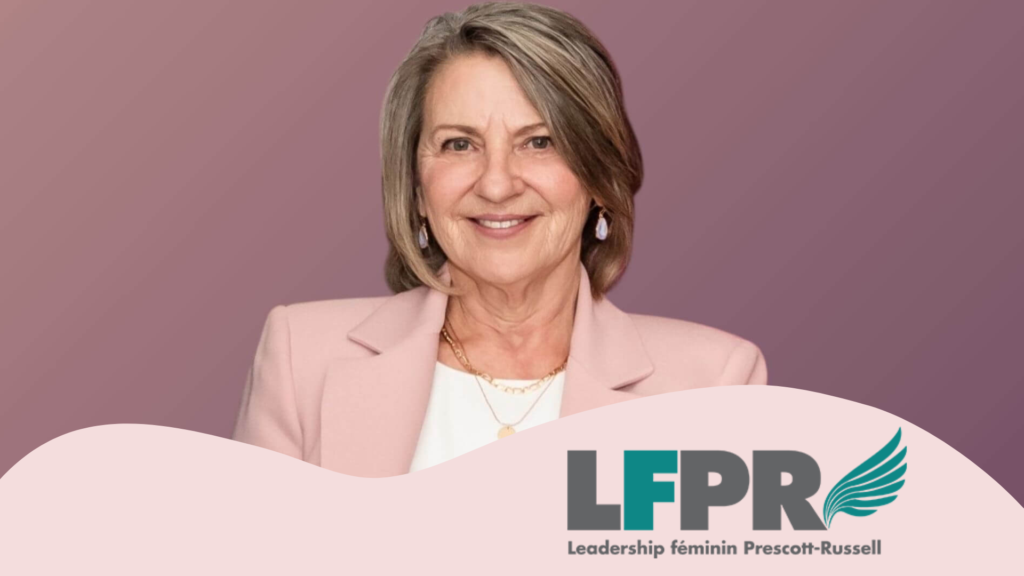
Podcast studio launch in partnership with LFPR
“Leadership féminin Prescott-Russell and the Table Concerté.e.s pour l’égalité are proud to collaborate with TVC 22 on the production of its podcast series l’Égalité de vive-voix, highlighting systemic barriers to gender equality in Prescott-Russell. Social change can only be achieved through collective-impact initiatives that prioritize education and information. Le Lab Vivant, initiated by TVC22, not only fulfills its mission but also invites the involvement of stakeholders from all fields in producing timely, relevant content for our local community.” Marie-Noëlle Lanthier, Executive Director, LFPR
Frequently Asked Questions
A living lab is a physical or virtual place where people work together to test and improve new ideas in a real‑world context.
It’s a way to co-create and test solutions to complex community challenges to ensure sustainable growth. Communities use living labs to spark collective innovation.
Living labs operate through a Public-Private-People Partnership (4P). This involves four distinct groups: the public sector (governments), the private sector (businesses), academia (researchers and educational institutions), and citizens or users who provide real-world feedback.
A traditional Public-Private Partnership (PPP) is based on a buyer-supplier model targeting a homogeneous community of consumers, which makes integrating sustainable development difficult. The 4P model is based on community service and brings together a heterogeneous community of citizens, which greatly facilitates compatibility with sustainable development.
Yes. A collaborative workspace typically focuses on individual goals. A living lab, on the other hand, creates significant social benefit and focuses on organizational or collective goals led by the project’s initiators and implementers.
Yes, there are global networks, the largest being the European Network of Living Labs (ENOLL), founded in 2006, which brings together more than 450 certified labs in over 40 countries. There are also other models in North America, such as the Olds College Smart Farm in Alberta or the Pinnguaq Association in Nunavut.
It aims to co-create and test innovative, inclusive, and culturally rooted models in the fields of information, communication, and education. Its goal is to enable Eastern Ontario communities to lead the transition toward sustainable change for a regenerative future.
Activities include workshops in a variety of formats, exercises to map products and services, and roundtables dedicated to youth… The pillars of innovation are based on access to bilingual information, participatory communication, and place-based education.
The outcomes aim to improve access to local knowledge, foster youth leadership, promote digital inclusion and literacy, and strengthen overall community resilience.
Please contact our team:
- Renée Gratton, Executive Director: [email protected] or at 613-223-8355
- Manel Jorio, Project Manager, Innovation and Development: [email protected] or at 613-446-6037
Our partners